

Judge Dismisses Lawsuit Against Buffalo Biodiesel Brought by Customers
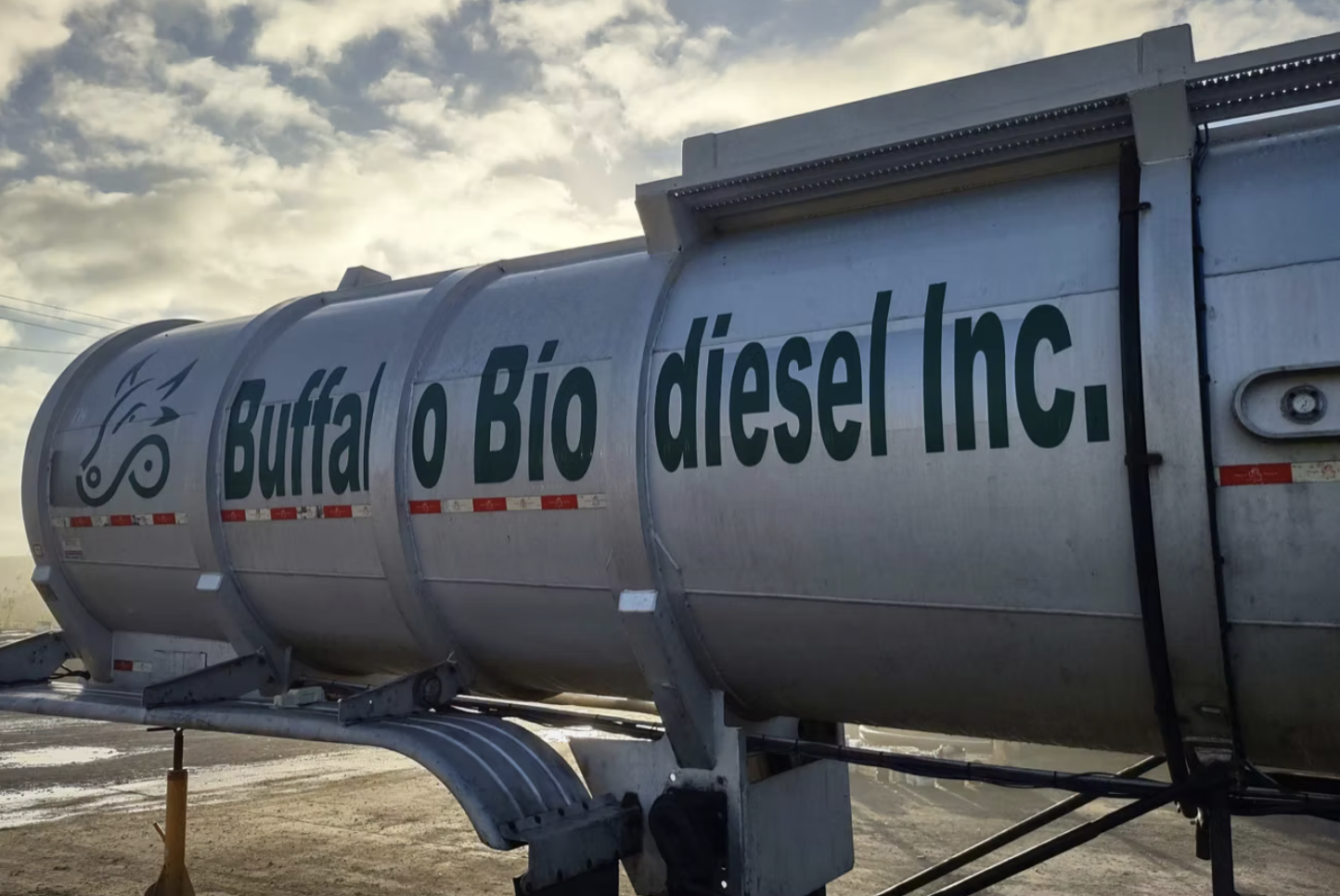
Buffalo, New York Jan 10, 2026 (Issuewire.com) - A New York Supreme Court Judge issued a decision on January 8th, 2025, dismissing a lawsuit brought by 27 restaurants against Buffalo Biodiesel, Inc., rejecting what the court characterized as speculative, conclusory, and legally deficient claims.
In a detailed Memorandum Decision, Hon. Michael A. Siragusa, J.S.C., granted Buffalo Biodiesel's motion to dismiss, finding that the action should never have been filed in the first place. The court concluded that the lawsuit was barred because it duplicated more than two dozen already-pending cases, failed to plead basic elements of antitrust and fraud claims, and relied on allegations contradicted by evidence and unsupported by facts.
At issue in the case is Buffalo Biodiesel, a Buffalo-based business operating in the Northeastern U.S. with over 28,000 suppliers who collect used cooking oil, that sued 27 restaurants who breached contracts for the collection of waste vegetable cooking oil purchase agreements in Erie County Supreme Court. All 27 of those restaurants then attempted to bring a separate, omnibus action accusing Buffalo Biodiesel of fraud, monopolistic conduct, and abusive litigation tactics, all under the direction and advice of Collesano. They are now the plaintiffs in this action.
Collesano and his clients claimed Buffalo Biodiesel filed those related actions for the primary purpose of enforcing and maintaining its market share, using what they described as oppressive litigation against a relatively small damages claim to force settlement and continued business with distant small businesses.
The court disagreed.
Judge Siragusa wrote, the record (primarily, Plaintiffs own allegations and exhibits) establishes the Related Actions are the quintessential other action[s] pending between the same parties for the same cause of action in a court of any state (CPLR 3211(a)(5)).
As such, the court ruled, [] the motion to dismiss shall be granted.
In other words, Collesano attempted an end run around dozens of existing cases by filing a new lawsuit that duplicated them. The CPLR expressly prohibit that maneuver.
More On Starmediaplanet ::
- Luminous unveils 10% discount to help car care professionals maximize winter profits
- Dr. Dustin Haupt Enhances Patient Care at AVOS Dental Specialists in Arvada, Colorado
- Dana N. Owens, MD, an Obstetrician-Gynecologist with AdventHealth Medical Group OB/GYN at Orlando
- Kristin Hextall, DNP, MSN, APN, FNP-BC: Lead Provider at Limitless Men's Health - TRT
- pdfRest Enhances OCR PDF API Tool to Deliver Greater Accuracy and Scalability
The contract signed by each restaurant, or "Exclusive Waste Vegetable Cooking Oil Purchase & Sale Agreements" as it is referred to by Buffalo Biodiesel, required restaurants to provide all waste vegetable cooking oil exclusively to the company for a 5-year term, automatically renewing unless notice was given to cancel. Buffalo Biodiesel supplied containers, collected the oil, and processed it at a facility in Tonawanda, New York. This was all laid out clearly, in black and white, signed, initialed, and with copies provided to the supplier.
Buffalo Biodiesel alleges that the plaintiffs breached those contracts by supplying oil to competitors or various other forms of breaches. Rather than confront those claims directly, the plaintiffs accused Buffalo Biodiesel of not collecting oil, misrepresentations, and etc..
Judge Siragusa rejected all of plaintiffs' allegations outright.
The court emphasized that while it must ordinarily accept pleaded facts as true, it is not required to accept factual allegations, or accord Plaintiffs favorable inferences, in those cases where the factual assertions are inherently incredible or flatly contradicted by documentary evidence.
Plaintiffs also alleged that Buffalo Biodiesel violated General Business Law § 340 the Donnelly Act by restraining trade and monopolizing the used cooking oil market. Judge Siragusa.
A plaintiff alleging a claim under GBL Section 340 must identify the relevant product market, allege a conspiracy between two or more entities (that are actually competitors), and allege that the economic impact of that conspiracy was to restrain trade in the relevant market," the court explained.
According to Siragusa, the plaintiffs did not.
Plaintiffs bare bones, conclusory allegations, the decision states, (based almost entirely upon information and belief without a scintilla of reference to the bases for same) fail to identify a single individual or entity in competition with Defendant, much less that such unidentified individual or entity engaged in a conspiracy with Defendant.
In short, the antitrust claim collapsed because it was speculation masquerading as law.
The court was equally blunt in rejecting plaintiffs fraud and misrepresentation claims.
To allege a cause of action based on fraud, Siragusa wrote, a plaintiff must plead a false representation, knowledge of falsity, intent to induce reliance, justifiable reliance, and damages.
Here, the alleged fraud is based on the same allegations as Plaintiffs breach of contract claim and thus is duplicative of that cause of action," concluded the court. The plaintiffs also failed to allege fraud with the requisite particularity (CPLR 3016(b)).
The result was a resounding victory for Buffalo Biodiesel.
Media Contact
Niagara Action
7165388237
P.O. Box 45, Lockport NY 14095
Source :Niagara Action
This article was originally published by IssueWire. Read the original article here.